


When people start searching for a Newtown, PA home care provider, they usually want certainty. Clear answers. A sense that everything will become easier once help begins. But daily support at home is not a switch that flips overnight.
It is more like a slow adjustment. A new person enters the routine. The house learns their presence. Everyone observes quietly at first. Family members should expect that small period of settling in. It is normal if the first few days feel slightly awkward. Comfort builds gradually.
Balancing Independence With Helpful Guidance
Independence does not disappear the moment support arrives. In fact, good daily assistance aims to protect it.
Some older adults want help with heavy tasks but prefer to handle small details themselves. Others may need more hands on involvement.
There is no single formula.
The balance often comes from asking simple questions. What feels manageable today? What feels tiring?
That conversation matters more than any written plan.
How Support Workers Can Fit Into Daily Life
They fit into existing routines. Morning coffee still happens at the same time. Favorite television programs remain part of the evening.
Over time, familiarity develops.
And sometimes it shows up in small ways. Shared jokes. Remembered preferences. Quiet understanding during slower moments.
Those details create comfort.
Ways To Talk About Personal Preferences And Choices
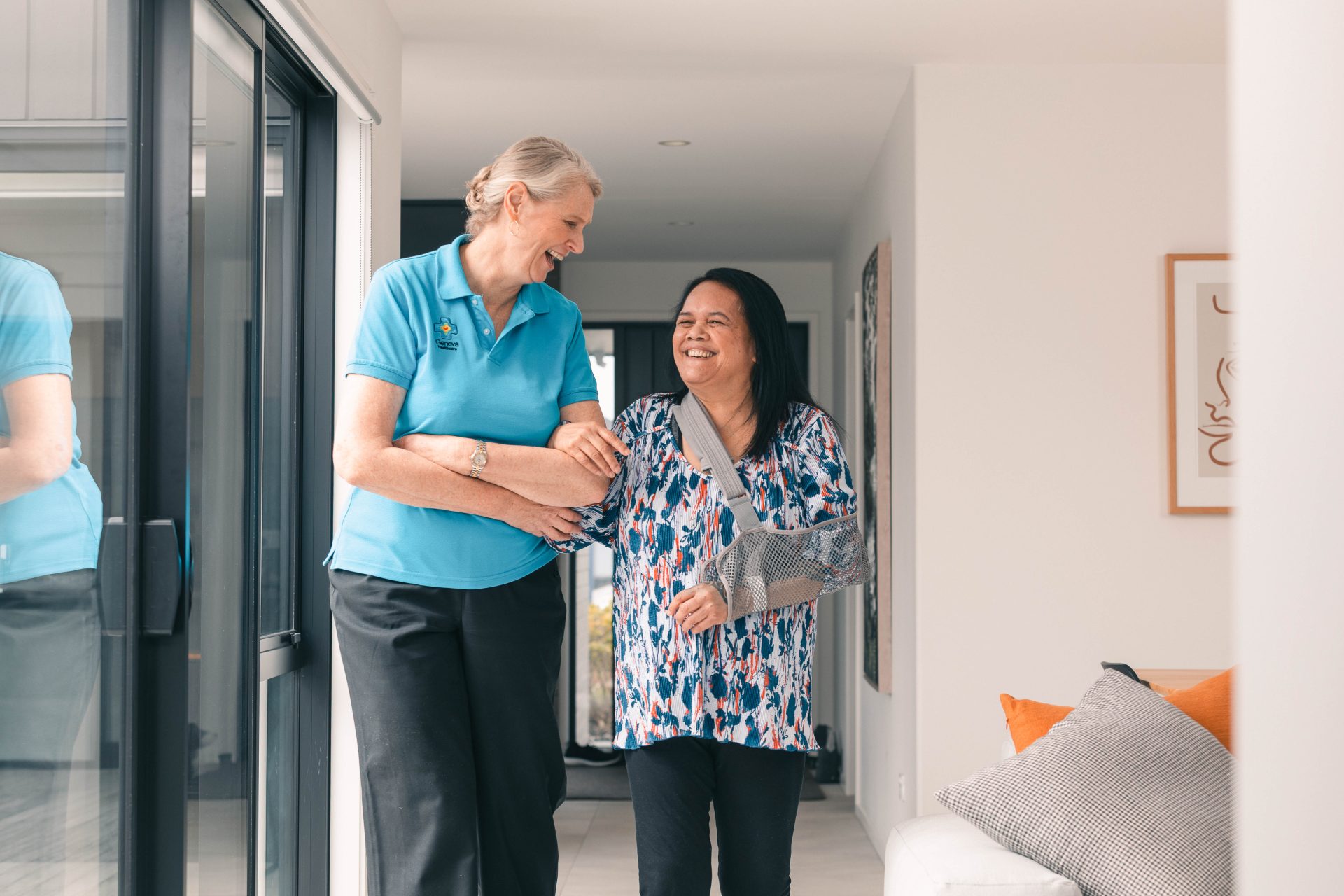
Clear communication prevents misunderstandings.
Families can discuss preferences openly:
- Preferred meal choices
- Sleeping schedules
- Clothing routines
- Social activities
These conversations help shape a support plan that feels natural rather than imposed.
Still, preferences may change.
Energy shifts. Health fluctuates. Some days feel stronger than others.
Flexibility keeps daily support realistic.
When working with a Newtown, PA home care provider, families often recognize that stability itself is an improvement. Predictable routines reduce anxiety.
The Value Of Regular Check Ins
Regular conversations help keep support aligned with current needs.
Short check ins allow families to adjust schedules or responsibilities before small concerns become larger issues.
Not every week will feel balanced. Some may require small adjustments.
That does not mean something is wrong.
Understanding what good daily support looks like in the home means accepting that it evolves. It adapts to energy levels, moods, and health changes.
Over time, that steady adaptation builds confidence.
And confidence creates a sense of ease that no single task alone can provide.